First Time Piercing in Saigon: Honest Studio Guide
June 16, 2026
Piercing Aftercare in Vietnam: Best Practices to Heal Faster
June 17, 2026
Helix Piercing Ho Chi Minh City: 5 Things to Know Before You Book
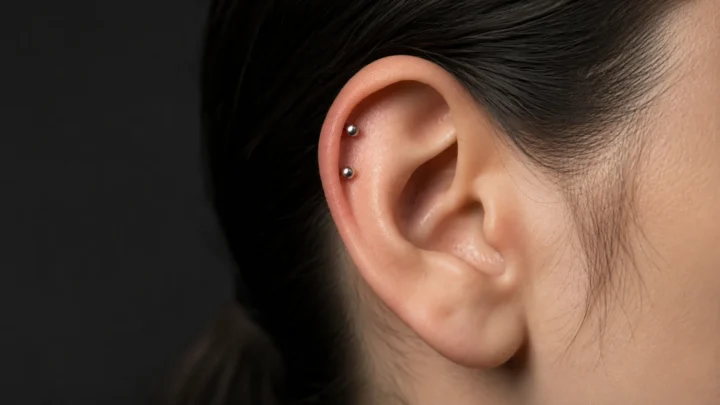
A helix piercing in Ho Chi Minh City is one of the most popular requests we get at Bánh Mì Piercing — and it’s easy to see why. It’s versatile, it works on almost every ear, and a single well-placed stud can anchor an entire curated look without trying too hard. But it’s also a cartilage piercing, which means the rules are different from a lobe.
Before you book, here are five things our piercing studio in District 1 wants you to know — about anatomy, pain, healing, jewellery, and the mistakes that turn a straightforward helix into a six-month headache.
Table of Contents
- What Is a Helix Piercing — and Where Exactly Does It Go?
- Does a Helix Piercing Hurt More Than a Lobe?
- Helix Healing Time: What to Realistically Expect in Vietnam
- Helix Piercing Price in Ho Chi Minh City
- Jewellery, Downsizing, and When You Can Finally Change It
- The Irritation Bump Problem — and How to Avoid It
- Frequently Asked Questions
- Book Your Helix Piercing in Ho Chi Minh City
What Is a Helix Piercing — and Where Exactly Does It Go?
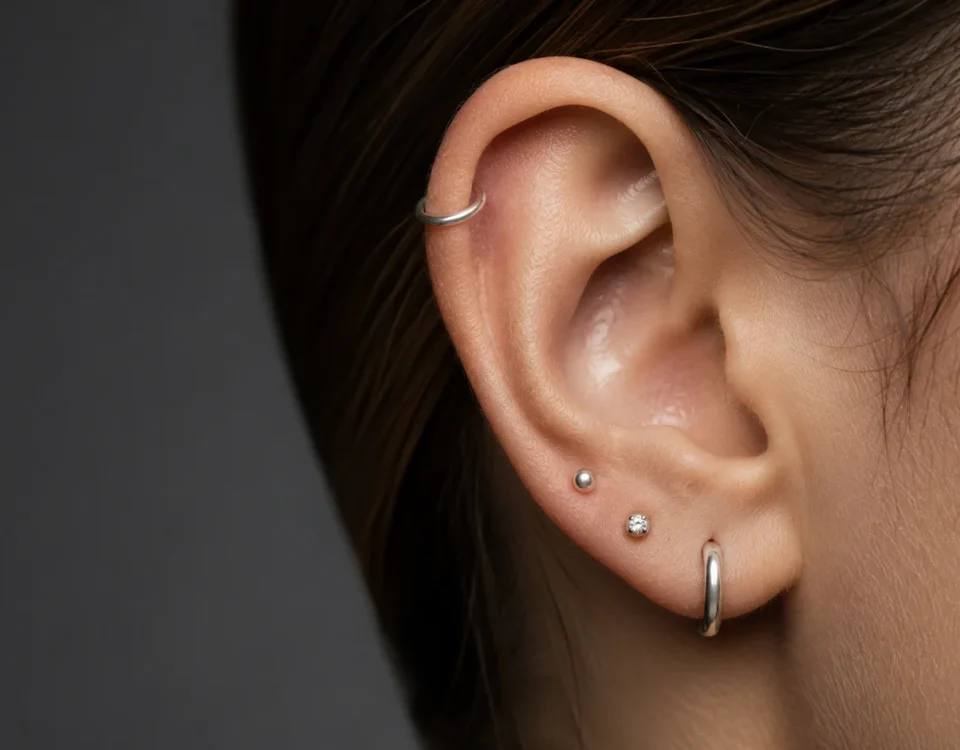
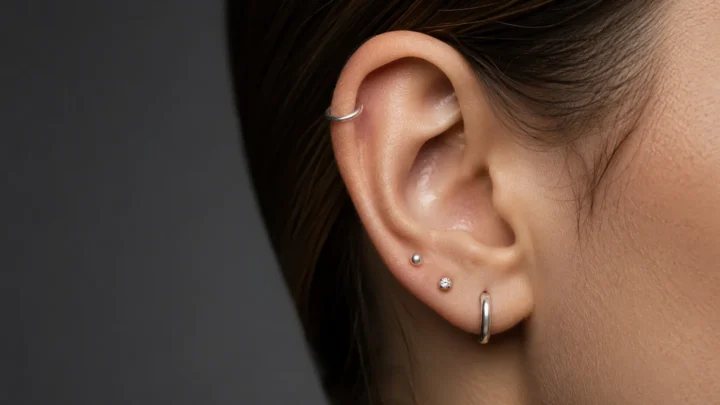
The helix is the outer rim of cartilage that curves around the upper ear. A helix piercing passes through this rim — typically somewhere along the upper third of the ear — and sits flat against the cartilage with a small jewellery piece on each side. It’s one of the most anatomically consistent placements, which means it works on the vast majority of ears without the anatomy concerns that come with piercings like the daith or forward helix.
Single vs Double vs Triple Helix
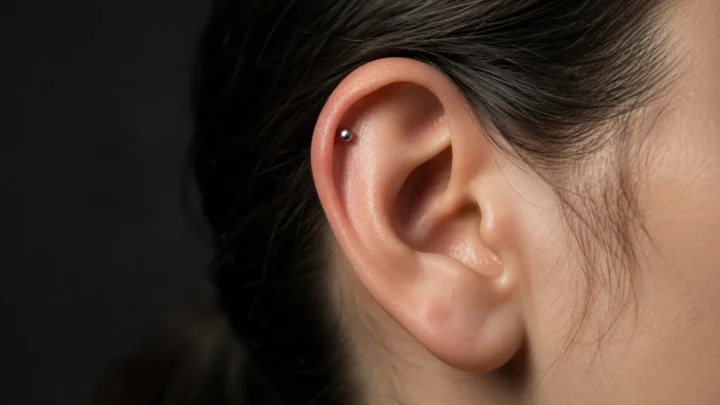
A single helix is one piercing anywhere along the outer cartilage rim. A double helix is two piercings stacked vertically on the same rim, usually separated by a few millimetres. A triple follows the same logic with three placements. Each looks distinct and serves a different aesthetic purpose.
For a first cartilage piercing, we typically recommend starting with a single helix and seeing how your body heals before adding more placements. Doing two or three cartilage piercings at once isn’t impossible, but it multiplies the aftercare demand and the irritation risk. One at a time gives each piercing the attention it needs.
Standard Helix vs Forward Helix
The standard helix sits on the upper outer curve of the ear. The forward helix is a different placement — it sits at the front of the ear, where the upper cartilage meets the face. Both are cartilage piercings with similar healing timelines, but the forward helix is more visible from the front and has a slightly different aesthetic role. If you’re unsure which you want, bring a reference photo and we’ll help you decide what works for your ear shape.
Does a Helix Piercing Hurt More Than a Lobe?
Honestly — yes, a little. Not dramatically more, but noticeably. Here’s why: cartilage is denser and less vascular than the soft tissue of the lobe. The needle moves through it more slowly, and the pressure involved is greater. The sensation is less of a quick pinch and more of a firm, sustained push that lasts two to three seconds.
Most clients at Bánh Mì Piercing describe it as a 4 or 5 out of 10 at most — uncomfortable, but not distressing. The preparation matters: eat beforehand, stay hydrated, and try not to tense up. People who come in anxious and braced tend to feel it more than people who breathe through it.
Soreness After a Helix Piercing
The piercing itself is the shortest part of the experience. What follows is a few days of tenderness around the cartilage — it may feel sore when touched, warm to the skin, and sensitive if accidentally bumped. This is completely normal inflammation and not a sign that anything has gone wrong.
The soreness usually settles within the first week. What tends to persist longer is a low-level sensitivity to pressure — particularly when sleeping on that side or wearing over-ear headphones. This is your body’s way of telling you to leave the area alone while it heals, and the advice is to listen.
Helix Healing Time: What to Realistically Expect in Vietnam
This is where most people underestimate the helix — and where most problems begin. A helix piercing takes 6 to 12 months to heal fully. That is not an exaggeration or a worst-case scenario. It is the standard timeline for cartilage piercings when everything goes well.
The confusion happens because piercings feel much better long before they’re finished healing. By month two or three, the helix typically looks calm, feels comfortable day-to-day, and no longer hurts when touched. This is the danger zone — the point at which most people assume healing is done and start making changes. It isn’t done. The internal fistula — the channel of healed skin surrounding the jewellery — continues forming for months after the surface settles.
Does the Vietnamese Climate Affect Healing?
Ho Chi Minh City’s heat and humidity don’t prevent cartilage piercings from healing — but they do require a small adjustment to your routine. Sweat can accumulate around the piercing, particularly during the wet season or after exercise. Rinse the area with clean water after sweating and make sure it dries fully. A damp piercing that stays damp for hours creates an environment that slows healing and can encourage irritation.
Air conditioning also plays a role. Moving repeatedly between the heat of the street and heavily air-conditioned spaces can cause minor tissue fluctuation around the piercing. It’s not a serious concern, but it’s one more reason to be consistent with your aftercare rather than sporadic.
What You Need to Adjust During Healing
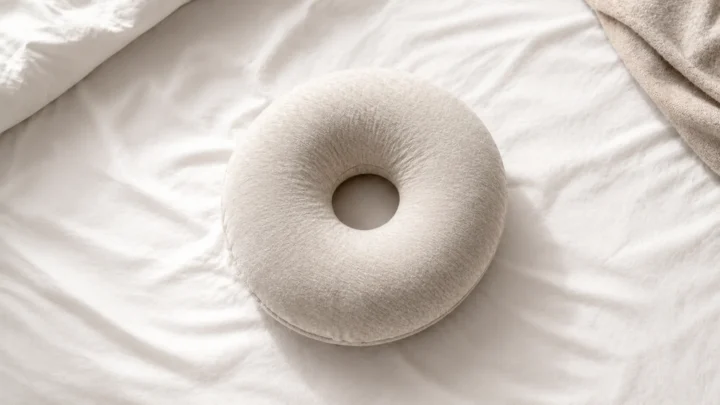
Three things matter most for helix healing: sleep position, headphone use, and hair habits. Sleeping directly on the pierced ear is the single most common cause of prolonged healing and irritation bumps. Use a travel pillow with a hole, or sleep on the opposite side. Avoid over-ear headphones on the pierced ear — in-ear or on the other side only. If you have long hair, tie it back to prevent strands from catching on the jewellery, which creates repeated minor snagging that disrupts the healing tissue.
According to guidance from the Association of Professional Piercers, cartilage piercings are among the most vulnerable to complications from environmental pressure and friction, making lifestyle adjustments during the healing window as important as the cleaning routine itself.
Helix Piercing Price in Ho Chi Minh City
Helix piercing prices in Ho Chi Minh City vary considerably between studios — and the difference in price usually reflects a difference in equipment, jewellery quality, and piercer experience rather than an arbitrary markup.
| Service | Price at Bánh Mì Piercing (VND) | Includes |
|---|---|---|
| Single Helix | 350,000 | Sterile needle, implant-grade jewellery, aftercare consult |
| Forward Helix | 450,000 | Sterile needle, implant-grade jewellery, aftercare consult |
| Double Helix | 650,000 | Two sterile needles, two jewellery pieces, aftercare consult |
| Downsizing appointment | Free | Check placement, swap to shorter post once swelling settles |
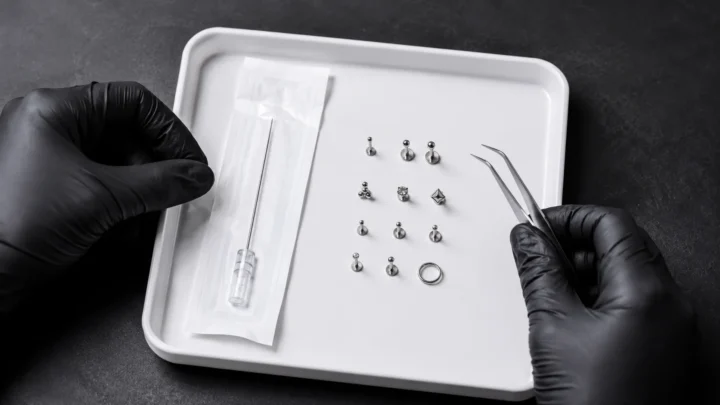
Every helix piercing at Bánh Mì Piercing uses a single-use sterile needle and implant-grade titanium starting jewellery. The consultation before the piercing and the aftercare walkthrough after are included in the price. Walk-in clients are welcome, or you can book your session in advance via the website.
Why a Cheap Helix Can Cost You More in the End
A gun piercing at a market stall or nail salon may cost 50,000 to 100,000 VND. It will also use a blunt stud that cannot be sterilised, placed with force that tears rather than punctures the cartilage, leaving behind jewellery made of unknown alloy metals. Cartilage heals slowly even under ideal conditions. Under these conditions, you’re looking at persistent irritation, potential infection, and in some cases scarring that affects the tissue permanently.
The price difference between a gun piercing and a needle piercing at a boutique studio in Saigon is a few hundred thousand đồng. The difference in outcome is not comparable.
Jewellery, Downsizing, and When You Can Finally Change It
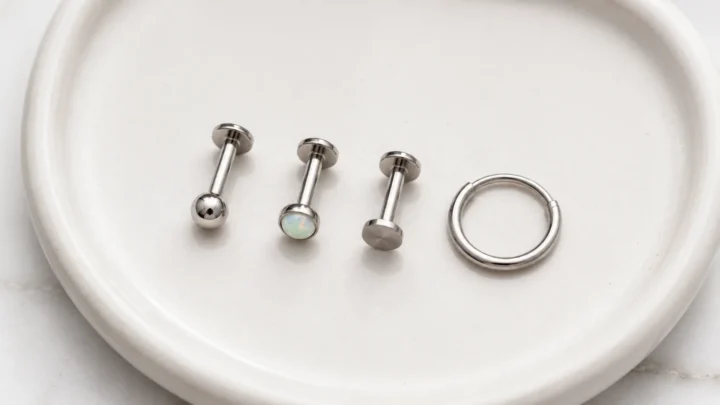
The jewellery used for a fresh helix piercing is not the jewellery you’ll wear long-term. Starting jewellery is fitted longer than necessary to accommodate swelling in the first several weeks — the extra length keeps the post from pressing into the tissue as it swells. Once that initial swelling has settled, the jewellery needs to be shortened, or downsized, to a post that sits flush against the ear.
Why Downsizing Matters More Than Most People Realise
A longer post that’s no longer needed for swelling becomes a liability. It moves more freely, catches on hair and pillowcases, and applies irregular pressure to the healing tissue. This is one of the leading causes of irritation bumps in helix piercings that were otherwise healing well. Downsizing at the right time — typically 4 to 8 weeks after the initial piercing — removes this risk and allows the remaining healing to proceed without interference.
Come back to Bánh Mì Piercing for your downsizing appointment. We do not charge for this visit. The piercer will check the placement, confirm the swelling has settled, and swap the jewellery to the correct length for your anatomy. It takes ten minutes and makes a meaningful difference to the rest of your healing timeline.
When Can You Actually Change the Jewellery?
You can change helix jewellery — to a ring, a different stud, or a different material — once the piercing is fully healed. For most people with good aftercare, this is somewhere between 6 and 9 months. For some, it’s closer to 12. If you try to change it before healing is complete, the fistula can be disrupted, the piercing can shrink, and you may introduce irritation or infection to tissue that was otherwise progressing well.
The test: a healed helix piercing should show no tenderness when moved, no crust formation around the jewellery, and no visual redness around the entry and exit points. If any of these are present, it is not healed. If you are unsure, come in and let us check before you attempt a jewellery change at home.
The Irritation Bump Problem — and How to Avoid It
The irritation bump is the most common complication of helix piercings — and the most misunderstood. It is not an infection, and it does not mean your piercing has failed. It is a localised tissue response to repeated irritation, most commonly caused by pressure, friction, or jewellery that no longer fits correctly.
What Causes Them
The most frequent culprits, in order: sleeping on the pierced ear, wearing over-ear headphones, hair catching on the jewellery repeatedly, a long post that wasn’t downsized at the right time, and attempts to change the jewellery before the piercing was ready. All of these create repeated small disruptions to the forming fistula — and the tissue’s response is to produce a raised bump around the piercing site.
How to Treat Them
Remove the source of irritation. That’s the treatment. Identify what’s been pressing on or snagging the piercing, stop doing it, and continue with consistent saline cleaning once or twice a day. Most irritation bumps resolve within 2 to 4 weeks once the cause is removed — without any additional intervention.
Do not apply tea tree oil, aspirin paste, or any other home remedy to an irritation bump on a helix. Tea tree oil in particular is widely recommended online and is directly linked to contact dermatitis and worsened healing in cartilage tissue. Saline only.
If the bump does not improve after a few weeks of removing the irritation source, come back to the studio. In some cases a jewellery change — particularly to a better-fitting post — is what resolves the issue when aftercare alone hasn’t been enough. Our team is available via WhatsApp if you want to send a photo and get advice before making the trip in.
Frequently Asked Questions About Helix Piercing in Ho Chi Minh City
How long does a helix piercing take to heal in Vietnam?
A helix piercing typically takes 6 to 12 months to heal fully. The cartilage may feel comfortable and calm well before this point, but the internal fistula continues forming throughout. Changing jewellery before full healing is one of the most common reasons helix piercings develop complications late in the process.
How much does a helix piercing cost in Ho Chi Minh City?
At Bánh Mì Piercing, a single helix starts at 350,000 VND including a sterile needle, implant-grade starting jewellery, and an aftercare consultation. A forward helix is 450,000 VND. Downsizing appointments are free.
Can I get a helix piercing as a tourist in Saigon?
Yes — and many of our clients do. The key consideration is your travel timeline. If you’re leaving Vietnam in a few days, a helix is not the most practical choice, as it requires consistent aftercare for months. If you’re staying for several weeks or longer, it’s very manageable — we’ll give you everything you need to look after it on the road.
What’s the difference between a helix and a forward helix?
A standard helix sits on the upper outer cartilage rim of the ear. A forward helix is placed at the front of the ear, where the upper cartilage meets the face — it’s more visible from the front and has a different visual effect. Both are cartilage piercings with similar healing timelines. Which one works for you depends on your anatomy and the look you’re going for.
Can I sleep on my helix piercing?
Not comfortably — and not without consequences during healing. Pressure from sleeping on a cartilage piercing is one of the most common causes of irritation bumps and prolonged healing. Use a travel pillow with a hole in the centre, or sleep on the opposite side, for the duration of the healing period.
What jewellery do you use for a fresh helix piercing?
We use implant-grade titanium (ASTM F136) flat-back labret studs for all fresh helix piercings. Titanium is the preferred material for new piercings because it is biocompatible, hypoallergenic, and carries no nickel — making it safe for even the most sensitive skin. Once the piercing is fully healed, the options expand to include seamless rings, different stud tops, and other materials.
Book Your Helix Piercing in Ho Chi Minh City
A helix piercing in Ho Chi Minh City, done well, is one of the cleanest and most versatile additions you can make to your ear. The five things to know before you book: where it actually sits, that cartilage hurts more than a lobe but not as much as you fear, that healing takes months not weeks, that the price difference between a gun and a needle studio is worth it, and that the jewellery you leave with is not the jewellery you’ll wear forever.
At Bánh Mì Piercing in District 1, we handle helix piercings every day. Walk in, show us your ear, and we’ll talk through the placement, the jewellery options, and what healing will look like for your specific anatomy. No pressure to book the same day.
Open Monday to Sunday, 10:00–20:00. Third floor, 36 Lê Lợi, District 1 — 2 minutes from Bến Thành Market.
Book your helix piercing session here, or message us on WhatsApp at +84 868 93 97 51 with any questions first.
New to piercing entirely? Read our guide to getting your first piercing in Saigon, or browse the full ear piercing guide for Ho Chi Minh City to compare all available placements in one place.