
Fine Line Tattoo Ho Chi Minh – 7 Stunning Ideas Guide
September 7, 2025
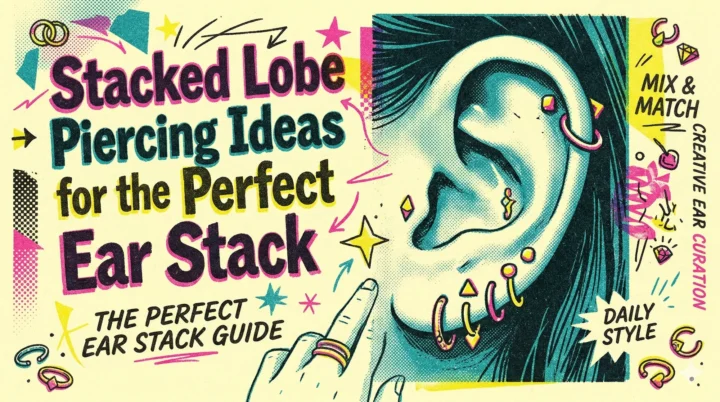
Stacked Lobe Piercing Ideas for the Perfect Ear Stack
March 9, 2026A conch piercing is one of the most stylish cartilage piercings you can get, but it is also one of the most misunderstood. If you are researching conch piercing pain, conch piercing healing, or the best conch piercing jewelry, this guide will give you the practical answers you actually need. Because a conch piercing goes through ear cartilage, it usually takes longer to heal than a standard lobe piercing, and proper aftercare matters much more. Cartilage piercings can take anywhere from several months up to a year to fully heal, which is why choosing the right piercer, jewelry, and routine is non-negotiable.
What Is a Conch Piercing?
A conch piercing sits in the central cup of the ear cartilage, either in the inner conch or outer conch area. It is popular because it works with many different ear piercing styles, from minimalist studs to bold statement hoops once healing is complete. The placement also makes it easy to combine with helix, lobe, and tragus piercings for a curated ear look. If you want inspiration for a clean, modern aesthetic, browse the Bánh Mì Tattoo Studio gallery.
Unlike a basic lobe piercing, a conch piercing goes through cartilage, not soft tissue. That matters because cartilage has less blood supply than the lobe, which is one reason healing is slower and irritation can linger longer if you wear the wrong jewelry or sleep on it too early. Cleveland Clinic notes that cartilage piercings may take up to six months or even a year to fully heal.
Does a Conch Piercing Hurt?
Yes, a conch piercing does hurt, but usually not in a way that surprises prepared clients. Most people describe conch piercing pain as a sharp, quick pressure during the piercing itself, followed by soreness, warmth, and tenderness for several days. Because pain tolerance varies, there is no universal number score that applies to everyone. What is more useful is this: cartilage tends to feel more intense than a lobe, but the piercing moment is brief.
What makes a conch feel harder is often the first week afterward, not the actual needle pass. Sleeping on that side, wearing tight headphones, touching the area too often, or swapping jewelry too early can all make it feel much worse. If you are booking your first cartilage piercing, it is smart to plan around work, gym sessions, and travel so you can protect the ear during the initial healing period. You can also use the booking page to ask about placement and daily-life compatibility before committing.
Healing Time and Aftercare
Conch piercing healing is where people either get great results or create avoidable problems. Cartilage piercings do not heal on the same timeline as lobes. According to Cleveland Clinic, earlobe piercings often heal in six to eight weeks, while cartilage piercings may take up to six months or a year. That long timeline is why you should not judge healing by how “fine” it looks after only a few weeks.
The safest basic routine is simple. Clean the area gently, avoid unnecessary touching, do not rotate the jewelry, and keep pressure off the ear. The Association of Professional Piercers emphasizes following written aftercare guidance until healing is complete, not just until the soreness disappears. A piercing may look healed before the process is actually finished.
You also need to know when normal healing stops being normal. Mild tenderness, some swelling, and light crusting can happen early on. But severe redness, worsening swelling, warmth, thick discharge, or escalating pain around a cartilage piercing are warning signs that deserve prompt medical attention. Mayo Clinic specifically warns that cartilage piercing infections should be taken seriously.
A practical tip: do not sleep on a fresh conch. This is one of the biggest reasons healing drags out. Travel pillows, donut pillows, and mindful side-switching at night can make a real difference. For more healing-focused reading, you can also explore the Bánh Mì Tattoo Studio blog and related aftercare content such as Tattoo Aftercare – Secrets to Long-Lasting Colors.
Best Jewelry for Conch Piercing
The best conch piercing jewelry for an initial piercing is usually a properly fitted stud, labret-style post, or barbell chosen by a professional piercer. Starting with a hoop is possible in some cases, but it often moves more and can be more irritating during early healing. For most first-timers, stable jewelry is the safer move.
Material matters more than people think. The Association of Professional Piercers says jewelry for healing piercings should be inert, biocompatible, and able to withstand sterilization. In plain terms, this means do not chase cheap fashion jewelry for a fresh cartilage piercing. Quality implant-grade materials are the standard for reducing irritation and promoting smoother healing.
Once the piercing is fully healed, your styling options open up. This is where conch piercing jewelry becomes fun. A simple gem stud works well for minimal looks. A fitted hoop can create a stronger statement. If you like curated ears and fine details, pairing a healed conch with delicate pieces can create one of the cleanest ear piercing styles available. If you already love subtle linework and balanced aesthetics, the Fine Line Tattoo Ho Chi Minh guide is a useful style reference for the same design mindset.
Who Should Get a Conch Piercing?
A conch piercing is a strong choice for someone who wants a piercing that feels more elevated than a lobe but still versatile enough for everyday styling. It works especially well for people building a curated ear, people who prefer a polished but edgy look, and anyone who wants a cartilage piercing that can evolve from subtle to bold depending on jewelry.
That said, not everyone should get one right now. If you sleep almost exclusively on one side, wear over-ear headphones for hours every day, or know you are not good at leaving healing piercings alone, you should think honestly before booking. A conch piercing rewards patience. It punishes rushing. If you are unsure, a consultation first is the smartest move, and you can arrange that through the booking page.
It is also important to choose your piercer carefully. The Association of Professional Piercers notes that piercing breaks the skin barrier and carries health risks if safe standards are not in place. Inconsistent studio regulation means clients need to ask questions and choose experienced professionals deliberately, not casually.
A conch piercing can be one of the best-looking cartilage piercings when it is done well and healed properly. The key things to remember are straightforward: expect some conch piercing pain, respect the longer conch piercing healing timeline, start with high-quality conch piercing jewelry, and do not treat cartilage aftercare casually. If you want a piercing that upgrades your whole ear styling, this one is worth serious consideration.
If you are ready to plan your look, check out the Gallery for inspiration, read more on the Blog, or go straight to Booking to ask about placement, jewelry, and styling options.